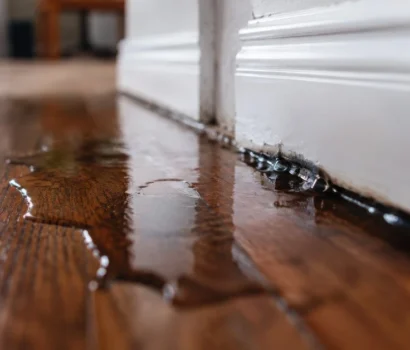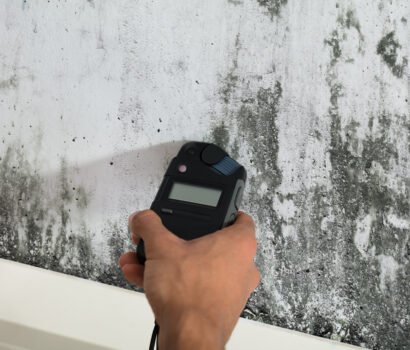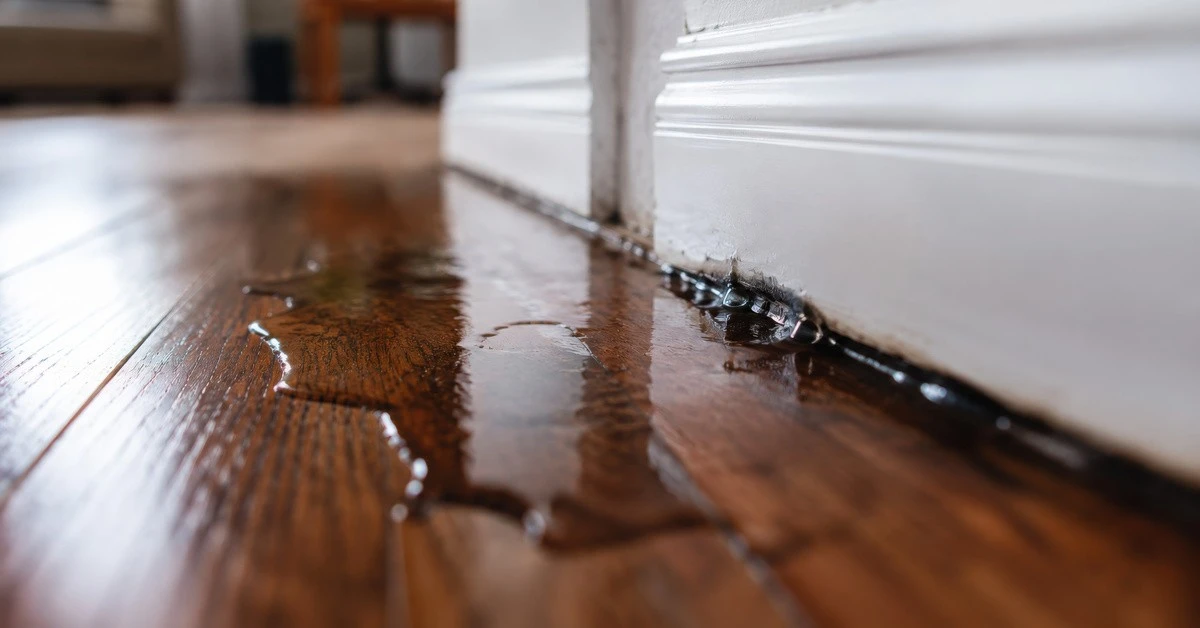
A Pittsburgh homeowners insurance policy generally covers water damage and the resulting mold when the damage is caused by a sudden, accidental event covered by the policy, such as a burst pipe or a failed water heater. Standard policies typically do not cover damage from slow leaks, neglect, groundwater, or flooding. Separate coverage is needed for flood damage.
Key Takeaways
- Coverage depends on what caused the water damage. Sudden evals, such as a burst pipe or failed appliance is usually covered. Slow leaks, neglect, groundwater, and flooding are generally excluded.
- Mold coverage depends on whether the original water damage was covered. Most homeowners policies have separate limits for mold-related damage unless you added an endorsement.
- Pennsylvania sets deadlines for insurance companies. Under 31 Pa. Code Chapter 146, expect acknowledgment in 10 working days, a 30-day investigation, and a written reason for any denial.
- Document the damage before cleanup. Photos, moisture readings, and a dated third-party inspection can help establish whether the damage was sudden or gradual.
- Renters and landlords have different responsibilities. Renters insurance typically covers belongings, the landlord’s policy covers the building, and Pennsylvania habitability law helps determine responsibility for repairs.
The same coverage rules apply to mold damage. If the water event is covered and you dried the home promptly, the resulting mold is usually part of the claim, often subject to a sub-limit. If the water was left standing, or the leak was old, the mold may be considered a maintenance problem.
This distinction is especially important in PA. Older plumbing, finished basements, freeze-thaw winters, combined sewers, and hillside runoff can all cause water damage that falls between covered and excluded losses. This guide explains how water damage and mold claims are evaluated in Pennsylvania, what is commonly covered or excluded, deadlines insurers must follow, and how to properly document the loss to support your claim.
Coverage Usually Starts with the Cause of the Water
A water damage claim is usually evaluated based on the original cause of the water, not just the visible damage. If the water damage was sudden and accidental, the resulting damage may be covered. If the problem developed slowly or came from an excluded source, such as flooding or groundwater, the claim is more likely to be denied or limited.
The Pennsylvania Insurance Department Homeowners Insurance Guide lists accidental discharge of water or steam from plumbing, heating, air-conditioning, or appliances as a covered peril, while also listing mold among common exclusions. This creates a distinction between water damage and mold coverage: mold may appear after a covered event, but mold itself may still be limited, capped, or excluded depending on the policy.
| Often covered, depending on policy | Often excluded or disputed |
|---|---|
| Burst pipe during a January freeze | Slow leak behind a wall that was present for weeks or months |
| Failed water heater or washer hose | Chronic roof leak from deferred maintenance |
| Toilet, tub, or appliance overflow | Seepage through a stone or block foundation |
| Rain entering through storm-damaged roofing | Groundwater, surface flooding, or hillside runoff |
| Mold that developed from a covered water event despite prompt mitigation | Mold that grew because wet materials were left undried |
So whether insurance covers mold depends on the answers to three questions:
- Was the original water event covered?
- Does the policy have a mold sub-limit or endorsement?
- Was the home dried quickly enough to demonstrate reasonable mitigation?
Act Quickly but Preserve the Evidence
Mitigation should begin before the adjuster arrives. Stop the water source if it is safe, shut off the supply valve when needed, move belongings out of standing water, and begin drying wet areas. If electrical hazards or structural damage are present, stay out of the affected area until it is safe.
The EPA advises drying wet materials within 24 to 48 hours to prevent mold growth. In a finished Pittsburgh basement, that time frame is especially important. Carpet pad, baseboards, drywall cavities, and subflooring can remain wet long after the visible water is gone.
It’s important to preserve evidence of the damage while cleaning up. Before removing materials, take photos and video from several distances. Capture the source area, affected rooms, water line marks, wet flooring, damaged contents, and any visible staining. Keep damaged materials when practical until the adjuster or evaluator can review them. Save receipts for emergency drying, plumbing repairs, temporary lodging, or supplies.
If the source may be a frozen pipe, see how frozen pipes can contribute to a mold problem. If moisture has already spread, preventing mold after water damage explains why prompt drying and documentation are both important.
How Do I File a Claim Without Weakening My Position?
When you file a water damage claim with your homeowners insurance company, keep the initial report factual and specific. Include the date the damage was discovered, the suspected source, the areas affected, and any mitigation steps you have already taken. Avoid guessing about long-term causes until the source has been inspected.
Most policies require prompt notice. Pennsylvania claim rules set deadlines for the insurer once the claim is made, but they don’t replace your own responsibility to report the damage promptly under the policy. Notify your insurer within days, not weeks, unless you’re still deciding whether to handle a minor repair without filing a claim.
That decision depends on your deductible, the extent of the repairs, and your claim history. If damage appears limited to a small plumbing repair and cosmetic work, you may decide to get a repair estimate before filing. If water has reached walls, flooring, ceilings, insulation, ducts, or concealed cavities, documenting the damage becomes especially important because the extent of the damage may not be clear until moisture mapping is completed.
- Identify and stop the source of water.
- Photograph the source, damage, and affected belongings.
- Write a timeline while details are fresh.
- Save receipts, estimates, emails, and invoices.
- Request written explanations for claim decisions.
For professional drying and remediation support, learn more about Bactronix’s water damage restoration in Pittsburgh and the water damage restoration process.
Documentation Has to Show What Happened Not Just What Got Wet
Photos show visible damage, but a stronger claim file also explains where the water came from, how far it traveled, what materials were affected, and whether microbial activity is present. This level of documentation is especially important when mold appears and the insurer questions whether the problem was sudden or gradual.
A thorough documentation file should include:
- Wide-angle photos of each affected room
. - Close-up photos of staining, wet materials, and damaged belongings
. - Video showing the path of water from source to affected area
. - A written timeline of discovery, shutoff, drying, calls, and repairs
. - Receipts for emergency mitigation and temporary repairs
. - Inspection notes, moisture readings, and testing results
. - Copies of every email, estimate, invoice, and adjuster communication
.
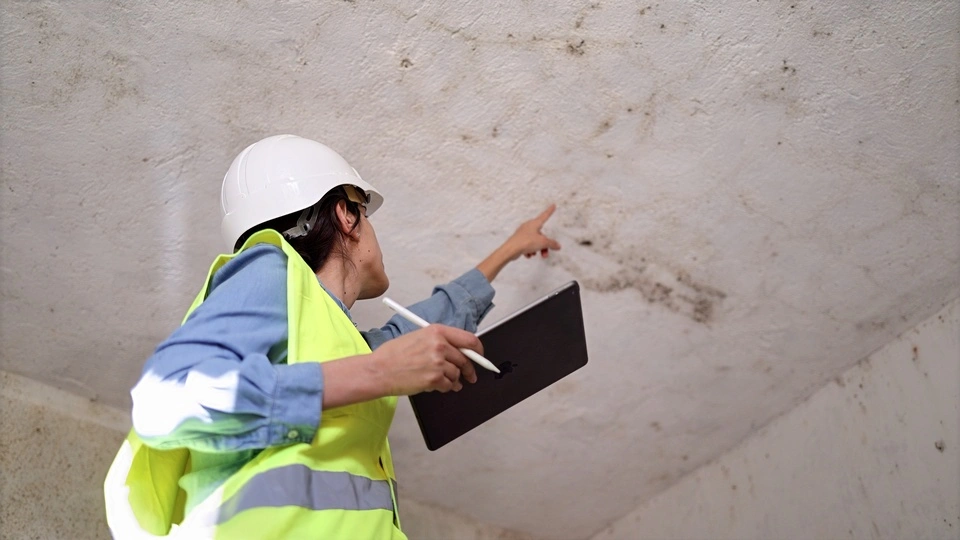
A third-party inspection can provide valuable documentation. A $75 Bactronix evaluation documents moisture readings, affected areas, and microbial conditions before or during a water damage insurance claim. ATP surface testing provides immediate on-site results related to microbial activity. Spore trap sampling is available when lab analysis is appropriate, with results in 1 to 3 days. While these findings don’t determine insurance coverage, they do provide a dated record that can help establish whether the damage occurred suddenly or developed gradually.
If mold is suspected, our overview of what mold testing involves explains the difference between visual inspection, surface testing, and air sampling. If growth is found under finished materials, our guide to mold under flooring explains why hidden moisture can change the scope of remediation.
Pennsylvania Gives You a Claim Calendar
Once you file a claim, Pennsylvania law establishes deadlines that insurance companies must follow. 31 Pa. Code Chapter 146, the state’s Unfair Insurance Practices rules, outlines these timing requirements for property claims.
| Claim step | Insurer timeline under Pennsylvania rules |
|---|---|
| Acknowledge the claim (146.5) | Within 10 working days |
| Complete the investigation (146.6) | Within 30 days, unless more time is reasonably needed |
| Send written status updates if still open (146.6) | Every 45 days |
| Accept or deny after proof of loss (146.7) | Within 15 working days after a properly executed proof of loss |
| Issue a denial (146.7) | Must reference the specific policy provision relied on |
If a water damage claim is delayed, use these deadlines to determine when to follow up. Request written updates, keep communication factual, and ask for the specific policy language if the insurer denies coverage for mold, drying, flooring, contents, or additional living expenses.
Is Flood, Sewer Backup, and Sump Failure All Included?
Flooding is not the same as interior water damage from a plumbing or appliance failure. Standard homeowners insurance typically doesn’t cover flooding caused by surface water, river overflow, or groundwater. Flood coverage is generally purchased through the National Flood Insurance Program or a private flood insurance policy. Pittsburgh homeowners near rivers, low-lying roads, or hillside runoff paths should review the Pennsylvania natural disaster insurance guide and FloodSmart.gov before the next storm season.
Sewer backup coverage is its own consideration. Older Pittsburgh homes, combined sewer districts, clay laterals, and basement sump pits increase the risk of backups, which a standard homeowners policy usually will not cover without an endorsement. This additional coverage is typically inexpensive compared to the potential cost of a backup, and it’s one of the most common coverage gaps we see in Pittsburgh basement claims. Read the endorsement language before assuming basement water is covered.
Mold Coverage Depends on Limits, Endorsements, and Timing
Even when the original water event is covered, mold remediation may be subject to a sub-limit or the terms of an endorsement. Some policies offer higher mold limits or hidden water damage coverage. Those endorsements can affect claims involving moisture behind walls, under flooring, above ceilings, or inside concealed building cavities.
Roof leaks are a common example. If wind damages a roof and rain enters immediately, resulting interior damage may be covered, while damage from a roof that has been leaking for an extended period may not be. The same principle applies to plumbing: a failed washer hose may be covered, while damage from a slow drip under a sink that has damaged the cabinet over time may be excluded.
Mold in ductwork presents additional considerations. If water or elevated humidity affects HVAC components, the remediation scope may include inspection of air pathways, duct cleaning, and indoor air quality services. Coverage still depends on the policy and the cause of moisture, but the remediation plan should account for how air moves through the home.
Professional treatment is another important consideration. Professional mold remediation should include source control, affected-material decisions, and verification. The Bactronizing Process® uses no-touch electrostatic application with EPA-registered, hospital-grade BactroKill® and BactroBlock® as part of a science-based microbial-control approach, followed by before-and-after verification.
Get Help with Documenting Damage Properly
The best time to document water and mold damage is before materials are removed or surfaces begin to dry. Early documentation can also help if the insurer questions whether the damage was gradual, excluded, or insufficiently documented. A clear record shows the source, the affected areas, the mitigation timeline, and the microbial condition of the home.
Our Bactronix Bionomic Specialists provide testing, water damage restoration, mold remediation, and verified before-and-after results across Pittsburgh, the Ohio Valley, and Allegheny County. Since 2011, our approach has been proof over promises: technical documentation, hospital-grade treatment, a lasting warranty, and 2,000+ five-star reviews from satisfied customers.
If you are deciding whether to file a water damage claim, book your evaluation online or call 412-375-7886. The $75 evaluation documents moisture, affected areas, and microbial activity so that you have reliable information to support your decision before filing or while your claim is being reviewed.
Other Common Questions
It can if the roof leak started with a covered event and the damage was reported and dried quickly. The usual issue is not the mold by itself, but whether the roof damage was sudden, accidental, and handled fast enough to prevent the problem from spreading. If the leak went on for a long time, the insurer may treat it as a maintenance issue rather than a covered loss.
Sometimes, but mold coverage often depends on the same cause that created the water damage. If the original water loss is covered and the mold appeared before the area could be dried, the claim may include some mold-related damage. If the moisture sat too long or the policy has a mold limit, the payment may be reduced or denied.
Yes, if the mold is tied to a recent water event and the affected area is part of the loss you may claim. Delaying notice can make it harder to show that the problem came from a sudden event rather than a long-running leak. Keep the report factual and describe what you saw, where it was, and when you found it.
You need to connect the mold to a covered water event and document the damage clearly. Photos, moisture readings, repair records, and prompt mitigation all help show what happened and when. If the claim is disputed, the policy language and the timing of the water event usually matter more than the mold itself.
File as soon as you can after discovering the loss. Most policies expect prompt notice, and delaying your claim may raise questions about whether the damage worsened because it wasn’t addressed promptly. If you’re still assessing the scope, document everything first so that you have a record before anything is removed.
Gradual leaks, repeated seepage, groundwater, surface flooding, and damage tied to neglect are common exclusions or dispute points. Sewer backup and sump failure often need separate endorsements, and basement water may be treated differently from a burst pipe or appliance overflow. The exact answer depends on the cause and the policy wording.