Most homes don’t need air duct cleaning every year. A practical approach is to inspect your HVAC system and ductwork annually, then plan on professional air duct cleaning about every 3–5 years for many homes. It could be sooner if certain conditions apply such as renovations, water damage, signs of mold, or worsening allergies indoors.
This post breaks down the difference between inspection and cleaning, what “normal” looks like for most households, and the situations where cleaning sooner makes sense.
Quick answer for most homeowners
Inspect annually
A yearly inspection helps you catch issues early and decide whether cleaning is actually needed rather than guessing or cleaning on a set schedule that may not fit your home.
Clean every 3–5 years
For many households, every 3–5 years is a reasonable baseline for professional air duct cleaning.
That said, your home may need duct cleaning more often if you’ve had major dust events, moisture problems, or indoor air quality concerns.
Why air duct cleaning matters
Air ducts move air throughout your home. Over time, they can collect buildups that may affect comfort and indoor air quality, especially when certain conditions introduce extra dust, debris, or moisture.
Cleaning can be worth considering when it’s tied to a real cause (like a renovation) or a clear concern (like suspected mold or worsening respiratory symptoms). The goal isn’t to “clean for cleaning’s sake,” but to address situations where it’s likely to help.

When to clean your air ducts sooner
If any of the scenarios below apply, it may make sense to clean sooner than the 3–5 year baseline.
After renovations or remodeling
Remodeling and construction work can create fine dust that doesn’t always stay contained. If you’ve recently done drywall, flooring, sanding, or other major work, duct cleaning may help remove leftover debris that can circulate after the project is done.
After water damage or ongoing moisture issues
Moisture changes the equation. If your home has had water damage or if you’re dealing with recurring dampness, cleaning can be a reasonable step. This is especially true if you’re also addressing the source of moisture.
If you suspect mold or notice musty odors
A persistent, musty smell or sign that suggests mold are strong reasons to take a closer look at your HVAC system and ductwork. In situations like this, “wait and see” isn’t a great plan. Start with an inspection, then clean if warranted. If mold is confirmed, mold remediation may be the next step.
If someone in the home has asthma, COPD, or allergies
If anyone in your household has respiratory conditions or frequent allergies, it’s worth being more proactive about indoor air quality. Duct cleaning may be appropriate more often in these homes, especially when symptoms flare indoors, or you’ve had a known dust/moisture event.
If you moved into an existing or older home
Moving into a home means inheriting what’s already in it, including what’s in the ductwork. If you’re unsure of the home’s maintenance history, an inspection and cleaning can be a sensible reset.
When installing a new furnace or AC
If you’re putting in a new HVAC system, it’s a good moment to evaluate ductwork conditions. Cleaning can make sense as part of the transition, especially if the previous system was older, or the ducts have noticeable buildup.
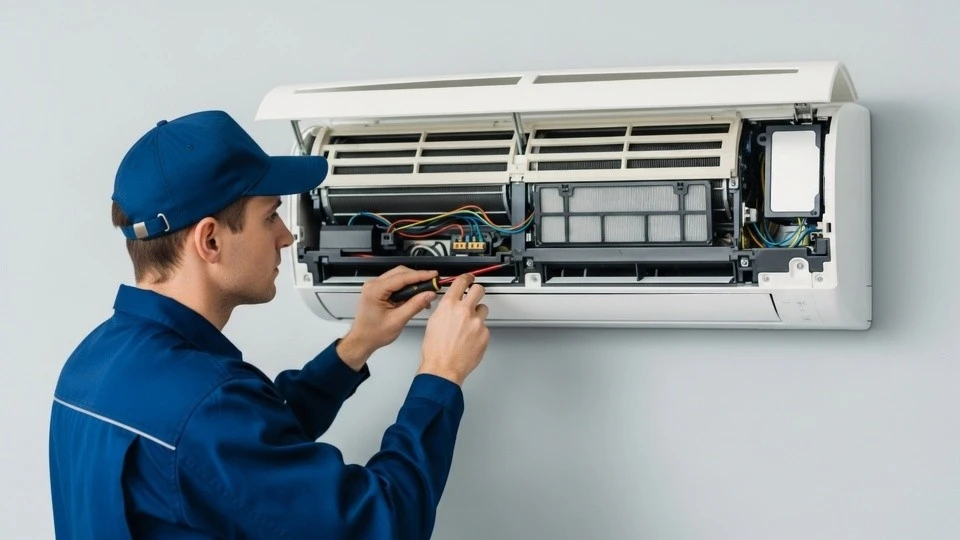
Signs it’s time (even if it hasn’t been 3–5 years)
Even without a big “trigger event,” these are common reasons people decide it’s time to schedule an inspection and possibly clean:
- You notice a musty odor that seems tied to running heating or cooling
- Allergies or breathing issues feel worse indoors
- You’ve had recent remodeling dust or water/moisture problems
- You moved in and don’t know the home’s duct cleaning history
Air vents vs air ducts
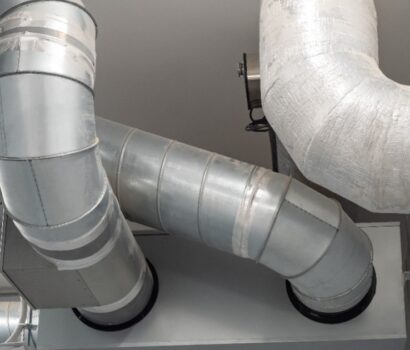
People often say, “air vents,” but vents are the visible covers (grilles/registers) you can see in each room. Air ducts are the hidden pathways behind those vents that move air throughout the home.
If your concern is mostly dusty vent covers, that may be solved with routine household cleaning. Duct cleaning is a different job based on system conditions and indoor air quality concerns.
FAQs
For many homes, a good baseline is every 3–5 years, with annual inspections to decide if cleaning is actually needed sooner.
For most households, annual cleaning is not necessary. A yearly inspection is a smarter routine, and cleaning can follow when conditions justify it.
Common reasons include recent renovations, water damage or moisture issues, musty odors or suspected mold, worsening allergies/asthma symptoms indoors, moving into an older home, or installing a new HVAC system.
Homes with asthma, COPD, or allergy concerns often benefit from being more proactive. Duct cleaning may be worth considering sooner, but especially after dust and moisture events or when symptoms seem to become worse indoors.