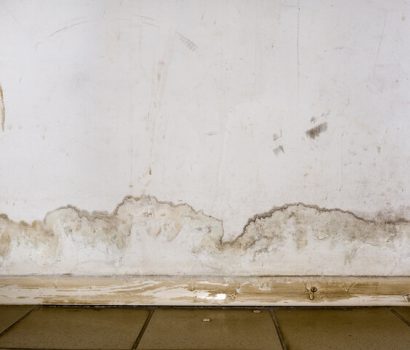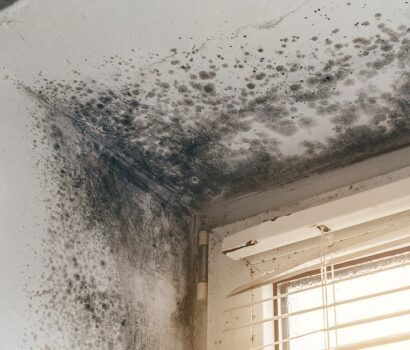
Mold could be the culprit lurking behind walls or under floors, affecting your home’s indoor air quality but how do you pinpoint the problem? Mold testing is a process used to help confirm whether mold is present, where it’s coming from, and what conditions are allowing it to grow.
In this guide, we’ll walk through how professional mold testing works, what “mold sampling” means, when testing is worth it, and what to do with the results. Plus, a quick section on what we often see in Pittsburgh-area homes.
Quick answers
- What mold testing does: Helps identify likely mold sources and conditions (usually moisture) and may include sampling to understand what’s in the air or on surfaces.
- What it doesn’t do: It can’t “prove” a home that is mold-free forever, and results need context (moisture history, building conditions, and where samples were taken).
- Most important takeaway: Fixing moisture is the key. Testing is most useful when it supports a plan to locate moisture, target remediation, or verify improvement.
Understanding the basics of mold testing
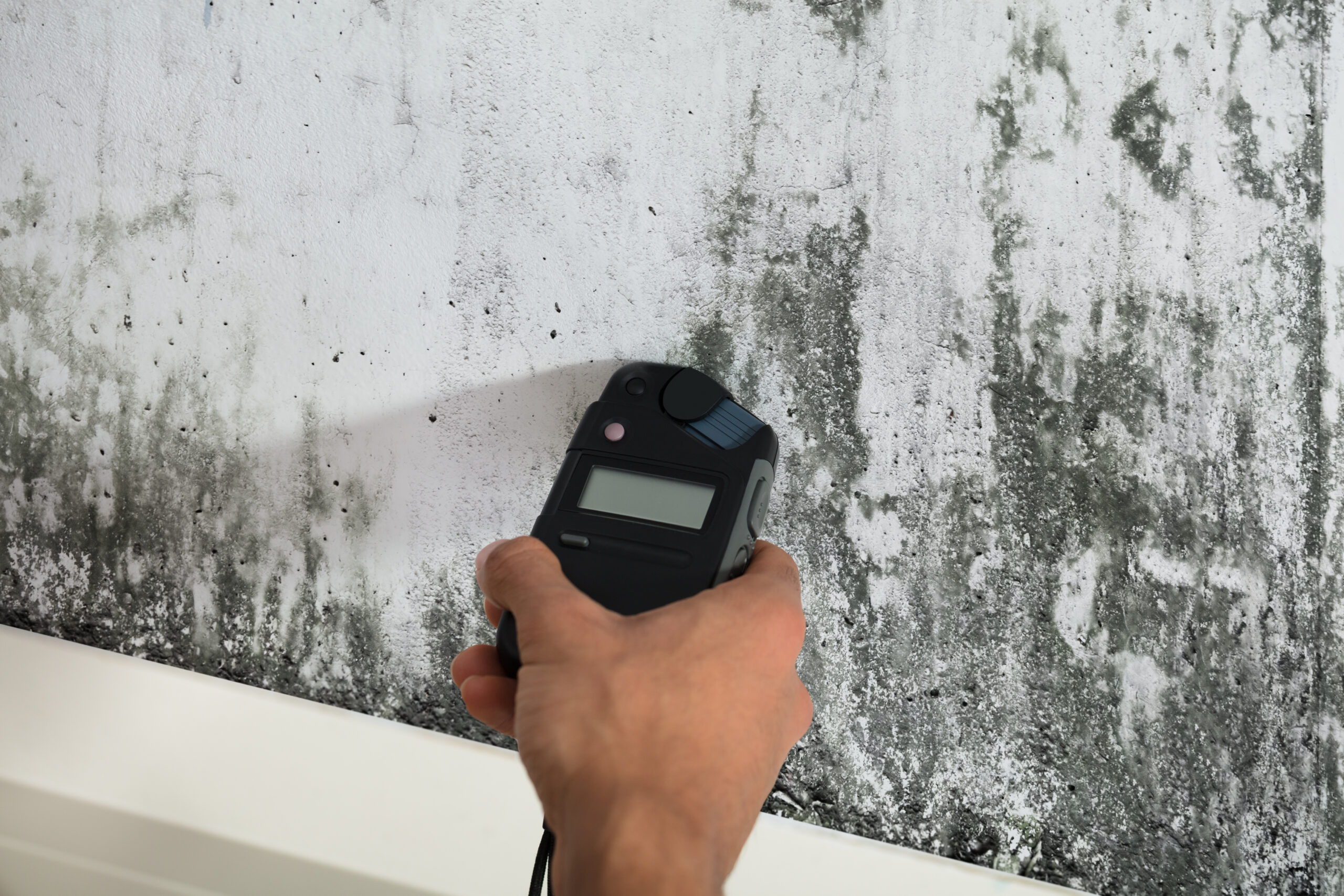
Professional mold inspectors are equipped with tools that help detect problem areas and guide where sampling should be done. Common tools can include:
- Moisture meters (to find damp building materials)
- Infrared cameras (to spot temperature patterns that can suggest moisture)
- Air sampling equipment (to collect a snapshot of what’s in the air)
- Surface sampling supplies (to evaluate visible or suspected growth on materials)
Just as important as the tools are the protocol. Knowing where to look, where to sample, and how to interpret results without overreacting to a single data point. Professional assessors often design sampling protocols and interpret results using methods recommended by professional organizations such as the American Industrial Hygiene Association (AIHA) and the American Conference of Governmental Industrial Hygienists (ACGIH).
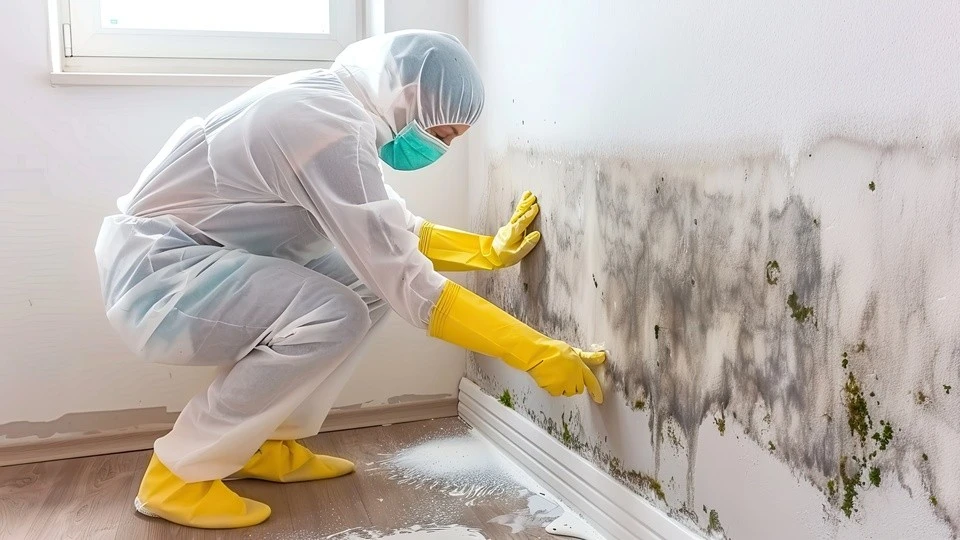
What experts look for during a mold inspection
This initial assessment helps narrow down potential problem areas and determine where to focus next. Missing key areas can lead to confusing or incomplete results. Mold testing usually starts with a walkthrough and history. During the initial assessment, the expert will typically:
- Ask about past or current leaks, flooding, condensation, or water intrusion
- Look for visible growth, staining, or material deterioration
- Identify musty odors and where they’re strongest
- Check high-risk areas (basements, bathrooms, attics, HVAC/returns, crawlspaces, around windows)
- Decide whether sampling is necessary, and if so, where it will be most meaningful
Mold sampling: what it is and the main methods
“Mold sampling” is part of mold testing where a professional collects a sample to better understand what is present in the environment. Sampling isn’t always required, but when it is, it’s usually done in one (or more) of these ways:
Air sampling
Best for: Understanding what may be present in the air in a specific area at a specific time.
Common use cases: Hidden mold concerns, comparing a suspect area to a reference area, or validating improvements after cleanup.
Important context: Air samples can be influenced by airflow, recent cleaning, HVAC operation, open windows, and even how people move through a space. That’s why protocols matter.
Surface sampling (swab or tape lift)
Best for: Checking a visible substance on a surface or material.
Common use cases: When you want to confirm whether something that looks like mold is consistent with fungal growth.
Important context: Surface sampling doesn’t measure “how much mold is in the whole home.” It’s tied to a specific spot.
Bulk sampling (material sample)
Best for: Evaluating a piece of a building material when conditions suggest hidden impact (for example, drywall or insulation).
Common use cases: When remediation planning requires understanding what’s happening inside/behind materials.
Important context: Bulk sampling is more invasive and should be done when it actually changes the plan.
A practical rule of thumb
Visible mold on a surface? You may not need extensive sampling to know it needs to be addressed. Focus on moisture correction and proper cleanup/remediation.
Unclear source (musty odor, health concerns, or recurring moisture)? A professional assessment and targeted sampling can help narrow down what’s going on and the source.
How mold testing works (step-by-step)
While every property is different, a typical professional mold testing process looks like this:
- Interview and building history: Leaks, flooding, plumbing issues, roof problems, humidity patterns, and previous remediation attempts.
- Visual assessment: Identifying staining, damaged materials, ventilation issues, and likely moisture pathways.
- Moisture investigation: Using moisture meters and (when appropriate) thermal imaging to guide the next steps.
- Targeted sampling (if needed): Selecting the right sample types and the right locations based on findings.
- Lab analysis and interpretation: The lab provides results. The professional adds context, so the data is actionable rather than alarming.
- Report and recommended next steps: A clear plan for moisture correction, remediation scope, and prevention.
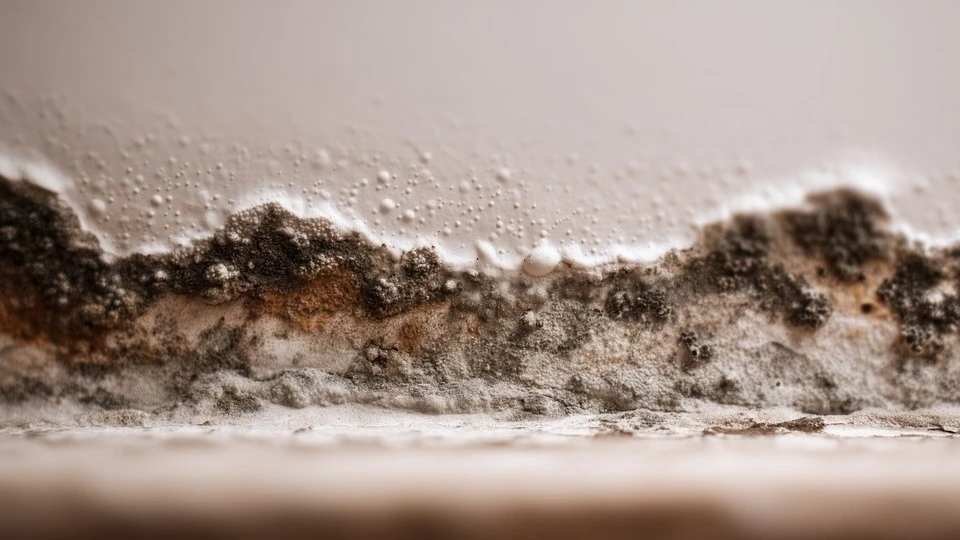
Some Context: What we often see in Pittsburgh homes
In the Pittsburgh area, mold concerns often come down to basement moisture and humidity control, especially in older homes and finished basements. We commonly see issues after small water events (seepage, plumbing leaks, damp carpeting) where moisture gets trapped behind drywall or under flooring.
Seasonal swings can also contribute. Humid stretches in summer and condensation during temperature changes can create conditions for growth around cool exterior walls, ductwork, and poorly ventilated bathrooms.
Local takeaway: If you’re dealing with a musty odor, recurring dampness, or planning a basement renovation, a targeted inspection (and sampling only where it’s useful) can help pinpoint the source, then the real fix is stopping the moisture.
What mold test results mean (and what they don’t)
The most useful outcome is a result that leads to an actionable plan, not just numbers on a page. A quality mold report should help you answer:
Where is the problem likely coming from?
Is moisture active or historical?
What areas are most important to address first?
What actions reduce risk going forward?
Be cautious about over-interpreting:
A single sample taken in isolation
Results without a building history or moisture findings
Conclusions that don’t explain why the issue exists (moisture source)
Safeguard your space with Bactronix
If you’re in the greater Pittsburgh area and you’re concerned about a mold issue, contact Bactronix today for mold testing and gain peace of mind knowing your home or business has a clear plan forward. Our methods, backed by the latest science, are designed to provide accurate results that guide you toward a healthier indoor environment. Reach out now and don’t leave your health and safety to chance.