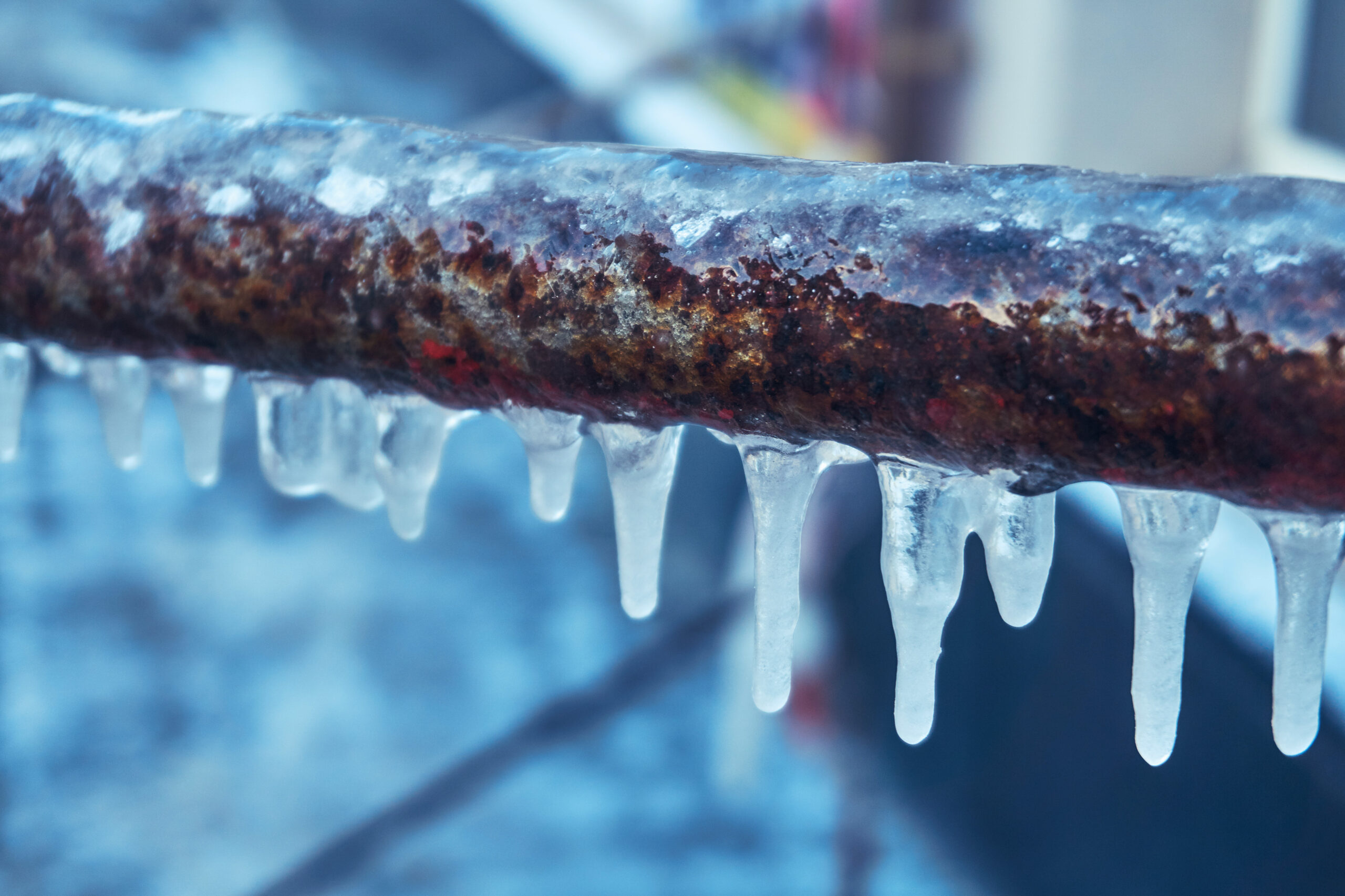
When winter temperatures drop around Pittsburgh and Western PA, frozen pipes become more than just an inconvenience. A single burst pipe can release hundreds of gallons of water in a day, soaking walls, ceilings, and flooring and setting the stage for serious mold growth if it’s not handled correctly and quickly.
This guide explains why frozen pipes burst, how that water damage turns into a mold problem, what to do in the first 48 hours, and how Bactronix can help restore a healthy home or business.
Why Frozen Pipes Burst in the First Place
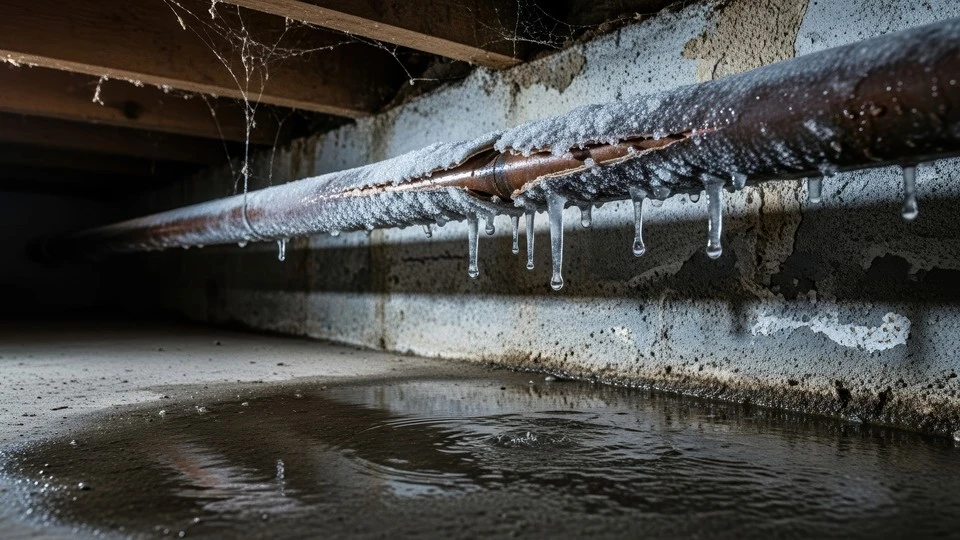
Water expands as it freezes roughly nine percent in volume. Inside a closed plumbing system, that expansion has nowhere to go. Pressure builds along the pipe until a weak spot cracks or a joint fails. In some cases, a crack as small as 1/8 of an inch can release up to 250 gallons of water per day once the ice thaws.
Common Causes of Frozen & Burst Pipes
- Exposed or poorly insulated pipes in basements, crawlspaces, attics, and garages.
- Pipes along exterior walls or near drafty windows and doors.
- Older or corroded plumbing that’s already weakened from rust or mineral buildup.
- Very low indoor temperatures (thermostat turned down too far or heat off during a trip).
- High water pressure or deep clogs that add extra stress to the system.
It’s also possible for pipes to crack while they’re frozen without leaking right away. The ice itself can block the opening. Once temperatures rise and the ice melts, water starts pouring through that hidden break and into your home.
How Frozen Pipe Leaks Turn Into Mold Problems
Mold needs three things: moisture, a food source (like drywall, wood, or dust), and the right temperature. After a frozen pipe bursts, all three are present in abundance.
- Moisture: Water seeps into drywall, insulation, subfloors, framing, and carpeting.
- Food sources: Building materials and household contents provide plenty of organic material.
- Temperature: Indoor temperatures are usually perfect for mold growth.
Under typical indoor conditions, mold can begin to grow in as little as 24–48 hours on damp materials. That’s why a “small” leak from a frozen pipe can turn into a serious mold problem if it isn’t dried out quickly and properly. For a deeper look at how mold grows and spreads, see our guide to the biology of mold.
Where Mold Shows Up After Frozen Pipe Water Damage
- Behind walls and ceilings where water ran along framing or wiring.
- Mold under flooring and carpets where moisture stayed trapped.
- Inside damp rooms like basements, laundry rooms, and bathrooms.
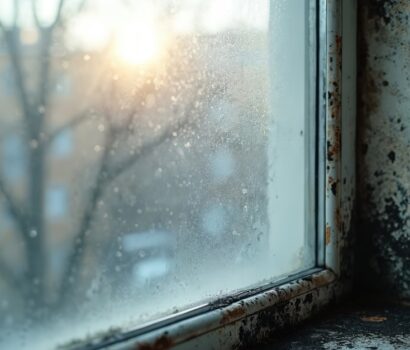
- On and around pipes where condensation or slow leaks keep surfaces damp.
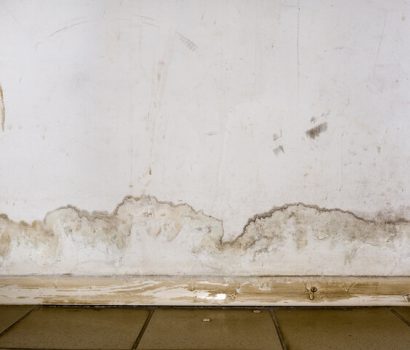
Even when surfaces look dry, there can still be hidden mold in your house behind walls, under flooring, or inside building cavities that stayed wet longer than you realized.
Can Mold Grow Inside Water Pipes?
In most homes, the bigger health concern is mold growing on wet building materials, not inside supply lines. That said, biofilm and microbial growth can form inside pipes and fixtures if conditions are right. If you’re worried about the quality of your drinking water, that’s a separate plumbing and water-quality issue. Bactronix focuses on mold in the air and on surfaces where spores are most likely to impact your indoor air quality and health.
Frozen Pipe Emergency Checklist: What to Do Right Away
If you suspect a frozen or burst pipe, the first few steps are the same whether you see obvious water damage or just hear water running behind a wall.
- Shut off the main water supply – Locate your main shutoff valve and turn it off immediately. This stops more water from entering the system and limits additional damage.
- Turn off electricity in affected areas – If water is near outlets, light fixtures, or your electrical panel, shut off power to that part of the house at the breaker box. Never step into standing water where electricity may be live.
- Document the damage for insurance – Take clear photos and short videos of wet areas, damaged materials, and any visible mold before cleanup begins. This documentation can help with your claim.
- Contact a plumber to repair the pipe – The leak needs to be fixed before any drying or restoration will hold. A plumber can locate and repair the frozen or burst section.
- Call a water damage & mold specialist – A professional team like Bactronix can assess how far the water traveled, remove hidden moisture, and address mold risks. If mold is present or likely, explore our mold remediation services to protect your indoor air quality.
- Start safe, light cleanup if you can – If it’s safe, you can move dry belongings out of the affected area and blot up standing water with towels. Avoid tearing out materials or running household fans without a plan. You can accidentally spread mold spores and push moisture deeper into walls.
Remember: you typically have a 24–48 hour window to get building materials dry before mold growth becomes likely. Fast, professional drying makes a major difference.
4 Professional Steps to Water Damage Restoration After Frozen Pipe Leaks
Once the leak is stopped, professional water damage restoration focuses on removing moisture, preventing mold, and restoring a safe indoor environment. Here’s how a structured process like Bactronix’s typically works after a frozen pipe incident:
Step 1: Deep Water Extraction & Structural Drying
Shop vacs and household fans help on the surface, but they can’t find or remove hidden pockets of water. Professional-grade equipment is designed to dry building materials thoroughly. The goal is to bring all affected materials back within acceptable moisture levels before mold has a chance to flourish.
- High-capacity extractors remove standing water from floors and carpets.
- Moisture meters and thermal imaging identify damp areas inside walls, ceilings, and subfloors.
- Commercial air movers and dehumidifiers speed up evaporation and remove excess humidity from the air.
- When necessary, technicians remove baseboards, drywall, paneling, and wet insulation to access soaked cavities.
Step 2: Professional Mold Inspection & Testing
After significant water damage, it’s critical to confirm whether mold is already present and where it may be growing out of sight. If you’re not sure what testing involves, you can learn more in our article on what mold testing is and how it works.
- Technicians inspect visible surfaces and likely trouble spots (behind walls, under flooring, around HVAC systems).
- Air and/or surface samples may be taken to measure spore levels and identify mold types.
- Bactronix provides a written assessment so you understand the scope of any mold problem and the recommended treatment plan.
Step 3: Mold Removal, Disinfection & Post-Testing
If mold is detected, it’s addressed with a combination of removal, cleaning, and disinfection:
- Contaminated materials that can’t be salvaged (like badly damaged drywall or insulation) are safely removed.
- Remaining surfaces are cleaned and treated using our Bactronizing® process, applied electrostatically for thorough coverage.
- This process targets mold, fungi, algae, and other harmful microorganisms and helps reduce the risk of regrowth.
After treatment, the area is retested to confirm that spore levels are back within acceptable ranges. You’ll receive documentation showing the property has met antimicrobial guidelines. For homeowners involved in a real estate transaction, this certification can typically be shared with buyers for added peace of mind.
Step 4: Long-Term Protection & Maintenance
Once the structure is dry and mold has been removed:
- Affected rooms are cleaned and disinfected so you’re not left with lingering odors or residue.
- Recommendations are made for any necessary repairs such as drywall replacement, insulation upgrades, or sealing foundation cracks.
- Bactronix offers ongoing maintenance and re-treatment options to keep high-risk areas clean, dry, and protected.
When to Call a Mold & Water Damage Professional
Not every small spill requires a restoration team. However, you should strongly consider professional help if:
- The wet area is larger than about 10 square feet (roughly a 3 ft x 3 ft section) or involves multiple rooms.
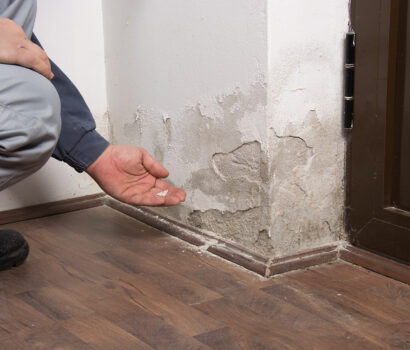
- Water has soaked into drywall, insulation, subfloors, or ceilings.
- The leak lasted more than a few hours before you discovered it.
- You can smell a musty or “earthy” odor even after visible water is gone.
- Anyone in the home has asthma, allergies, a weakened immune system, or other respiratory issues.
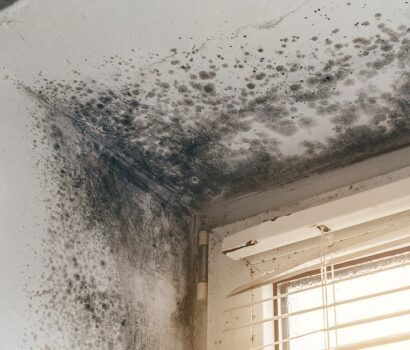
- You see visible mold growth, discoloration, or bubbling paint. If you notice dark or black patches, our article on why black mold is dangerous explains the health risks in more detail.
Frozen pipe water damage is more than just a plumbing issue. It’s a health and indoor air quality issue. A science-based remediation process helps make sure the problem is fully resolved, not just covered up.
Common Questions About Frozen Pipes, Water Damage & Mold
Signs include sudden drops in water pressure, discolored water, water stains on ceilings or walls, hissing or running-water sounds behind surfaces, and unexplained puddles. If a pipe has been frozen and you notice any of these once it thaws, shut off the water and investigate immediately.
Under normal indoor conditions, mold can start to grow within 24–48 hours on wet surfaces. That’s why quick drying and dehumidification are so important after a frozen pipe leak.
For very small, clean-water incidents on hard, non-porous surfaces, some homeowners can safely handle cleanup with proper protective gear and ventilation. Once water has soaked into building materials, spread to multiple rooms, or caused visible mold growth, professional remediation is the safer choice.
Get Help with Frozen Pipe Water Damage & Mold
If a frozen pipe has already turned into a water damage emergency, you don’t have to sort it out alone. Bactronix brings a science-based approach to water damage restoration and mold remediation, helping homeowners and businesses in the greater Pittsburgh area recover quickly and safely.
Our technicians:
- Respond quickly to assess frozen pipe water damage.
- Use professional equipment to find and remove hidden moisture.
- Test for mold and apply our Bactronizing® disinfection process where needed.
- Provide documentation and a one-year warranty against mold regrowth after treatment.
When frozen pipes, water damage, and mold threaten your property, Bactronix is ready to help you restore a clean, healthy space.